

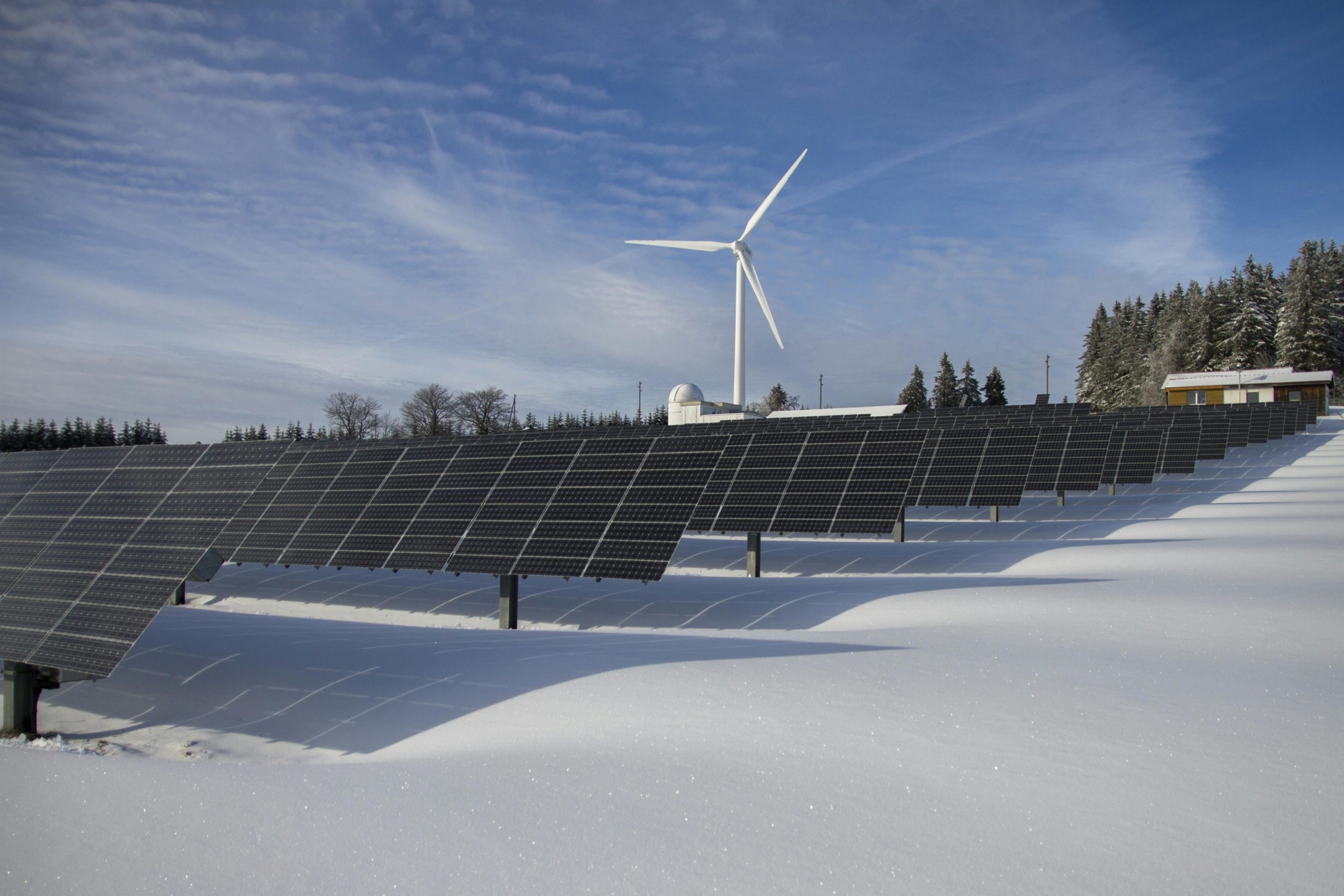

Solar panels, also known as photovoltaic (PV) modules, have become a cornerstone of modern energy solutions worldwide, and their significance is particularly pronounced in sun-rich countries like Uzbekistan. These devices convert sunlight directly into electricity through the photovoltaic effect, offering a clean, renewable alternative to fossil fuels. But why exactly are they so important in today’s world?
First and foremost, solar panels play a critical role in combating climate change and environmental degradation. By generating electricity without emitting greenhouse gases, they help reduce carbon footprints. For instance, a single residential solar system can offset thousands of tons of CO2 over its lifetime, equivalent to planting hundreds of trees. In Uzbekistan, where dust and arid conditions pose challenges but sunshine is abundant (with over 300 sunny days per year), widespread adoption of solar panels could significantly lower the nation’s reliance on natural gas and coal, which currently dominate the energy mix. This shift not only mitigates air pollution but also preserves water resources, as solar power requires far less water than traditional thermal power plants.
Economically, solar panels drive savings and growth. Initial installation costs have plummeted by over 80% in the last decade, making them accessible for homes, businesses, and industries. Users can slash electricity bills by 50-90% through net metering, where excess power is sold back to the grid. In Uzbekistan’s context, this is vital amid rising energy demands and occasional shortages. Moreover, the solar industry creates jobs—from manufacturing and installation to maintenance services like those offered by local companies. Globally, the sector employs millions, and in Uzbekistan, government initiatives are fostering a booming market that could boost GDP and energy security.
Finally, solar panels promote energy independence and resilience. They decentralize power production, reducing vulnerability to grid failures or fuel price volatility. For a landlocked country like Uzbekistan, this means less dependence on imported energy, enhancing national sovereignty. In remote areas, off-grid solar systems provide reliable electricity for schools, hospitals, and farms, improving quality of life.
In summary, solar panels are not just a technology—they’re a pathway to a sustainable future. As Uzbekistan accelerates its green transition, embracing solar power ensures environmental health, economic prosperity, and a brighter, more independent tomorrow. proin libero. Id diam vel quam elementum pulvinar.